
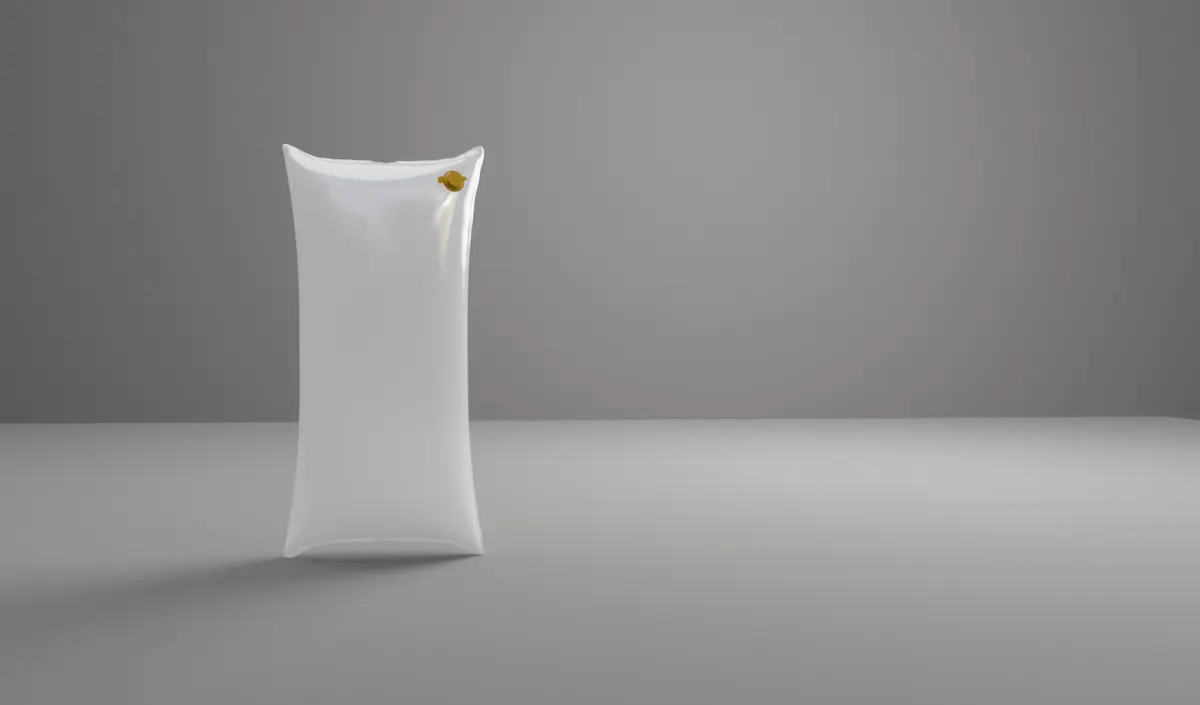
 Polyethylene (PE)
PE dunnage bags
Durable polyethylene bags help secure cargo during transportation, with resistance to punctures and tears.
- Material
- Polyethylene bladder
- Characteristic
- Puncture resistance
Cost-effective protection against transportation damage. Our dunnage bags help secure packages, rolls, cartons, skids, and pallets during rail, road, and intermodal sea shipments.
During transit, cargo faces changing conditions and movement. Inflated dunnage bags fill the spaces between loads, helping prevent shifting and absorb shock from loading through delivery.

PE, PP, and kraft paper solutions selected around your cargo and handling conditions.
Polyethylene (PE)Durable polyethylene bags help secure cargo during transportation, with resistance to punctures and tears.
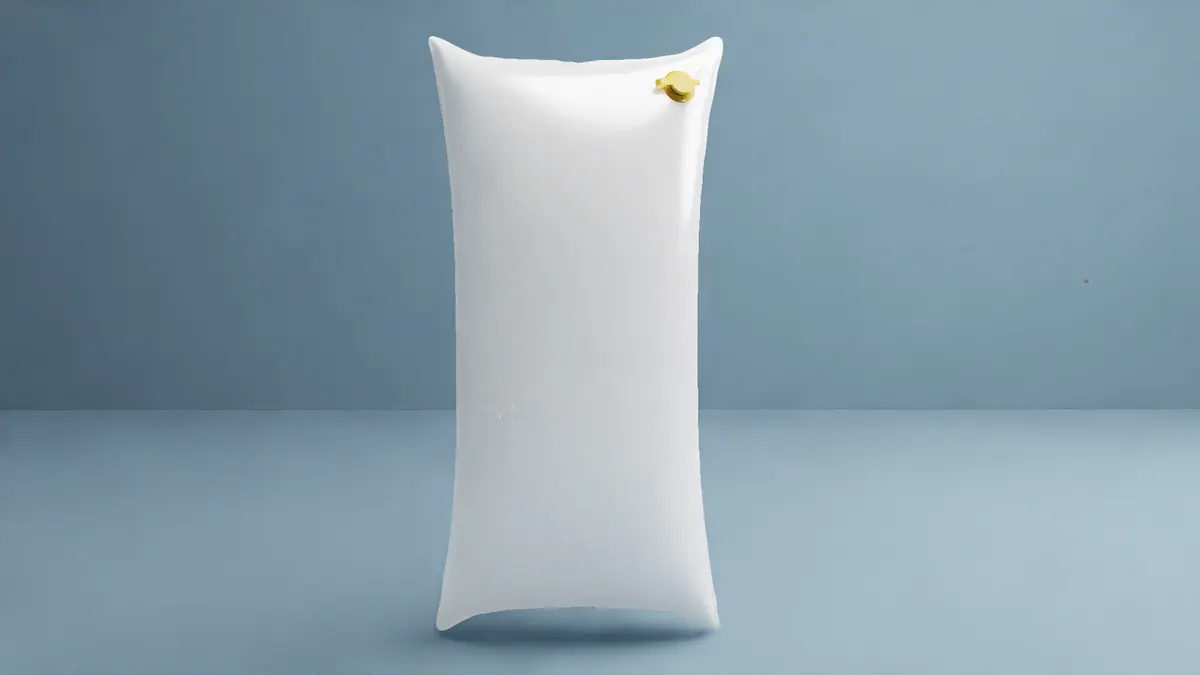 Polypropylene (PP)
Lightweight, cost-effective bags for stabilising cargo loads, with high tensile strength and moisture resistance.
 Multi-ply kraft
Multi-layered paper bags for cushioning and bracing cargo, particularly suited to heavy-duty applications.
Designed to support efficient cargo restraint from loading to destination.
AAR-approved dunnage bag options for cargo restraint. Discuss the appropriate grade for your load.
Polymer bag options help protect against moisture in demanding transport environments.
Inflatable bags fill the spaces between cargo loads for efficient bracing.
Deflate the bags to release the load when your cargo arrives.
A lightweight alternative for filling voids and stabilising packaged goods.
Quick installation and removal support efficient loading and unloading.
Constructed from recyclable materials. Select the appropriate material and local recycling route.
Cargo experiences different forces throughout its journey. Dunnage bags help cushion and restrain loads across transport environments.
Help cushion cargo against movement during marine transport.
Help brace cargo through the changing forces of road transport.
Help restrain cargo against the repeated movement of rail journeys.
Compare correct and incorrect bag placement across common cargo arrangements.
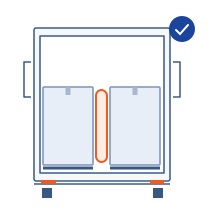
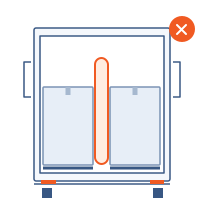
Keep the cushion supported by the cargo faces.
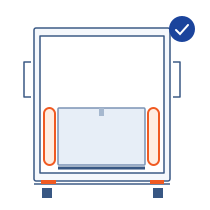
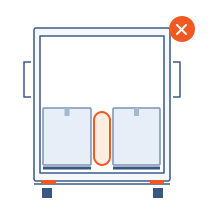
Position cushions in the gaps around the load.
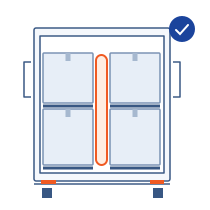
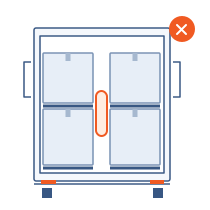
Use a cushion that spans the illustrated cargo stack.
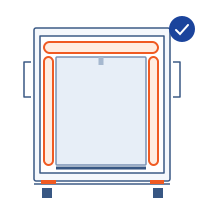
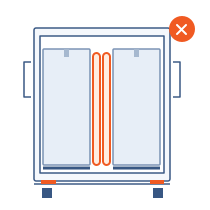
Place cushions at the illustrated perimeter gaps.
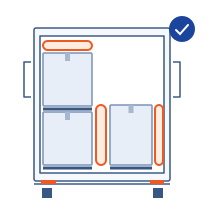
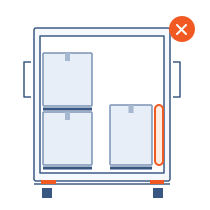
Fill the illustrated gaps around different cargo heights.
Schematic placement examples. Confirm bag size, inflation pressure and load-restraint requirements with the appropriate product instructions.
Cargo protection for raw materials, packaged goods, and high-value finished products.
Work with our team to plan the right bag, branding, and supply arrangements.
Discuss your cargo protection requirements directly with our manufacturing team.
Product & process supportSpeak to our team about distribution opportunities and support for your sales territory.
Distribution enquiriesDiscuss custom branding and printing requirements for your dunnage bags.
Custom branding optionsPlan supply around your destination, order requirements, and delivery schedule.
Shipment planningStandard bag dimensions and dunnage bag levels. Confirm dimensions, grade availability, and suitability for your cargo before ordering.
| Inches | Cms |
|---|---|
| 36 × 48 | 91 × 118 |
| 36 × 60 | 91 × 152 |
| 36 × 66 | 91 × 168 |
| 36 × 72 | 91 × 183 |
| 36 × 84 | 91 × 213 |
| 36 × 96 | 91 × 244 |
| 36 × 102 | 91 × 259 |
| 40 × 40 | 100 × 100 |
| 40 × 48 | 100 × 118 |
| 48 × 48 | 118 × 118 |
| 48 × 60 | 118 × 152 |
| 48 × 66 | 118 × 168 |
| 48 × 72 | 118 × 183 |
| 48 × 84 | 118 × 213 |
| 48 × 96 | 118 × 245 |
| 48 × 102 | 118 × 259 |
Share your load, void dimensions, transport mode, and destination.